
December 16, 2025 @ 10:00 am - 11:00 am
December 16, 2025 @ 10:00 am – 11:00 am



Millions of children and adolescents undergo routine and major surgical interventions annually, which confer risk for short- and long-term impact (i.e., persistent pain, opioid misuse, decreases in mental health). Approximately 28% of youth undergoing major surgery develop chronic post-surgical pain (CPSP). Growing evidence from surgical populations identifies psychosocial factors, such as anxiety and low mood, as driving forces for poor pain outcomes. Psychosocial assessment during the pre-surgical or acute pain period can inform early intervention and treatment to improve pain outcomes. These adverse health-related outcomes before and after surgery are addressable and some are preventable, yet there remains a dearth of developmentally-tailored psychosocial and educational interventions to optimize pediatric perioperative outcomes. Dr. Rosenbloom will discuss who is at higher risk for persistent pain after surgery and the evidence for psychosocial interventions to help improve outcomes.
December 16, 2025 @ 10:00 am
10:00 am PST – 11:00 am PST
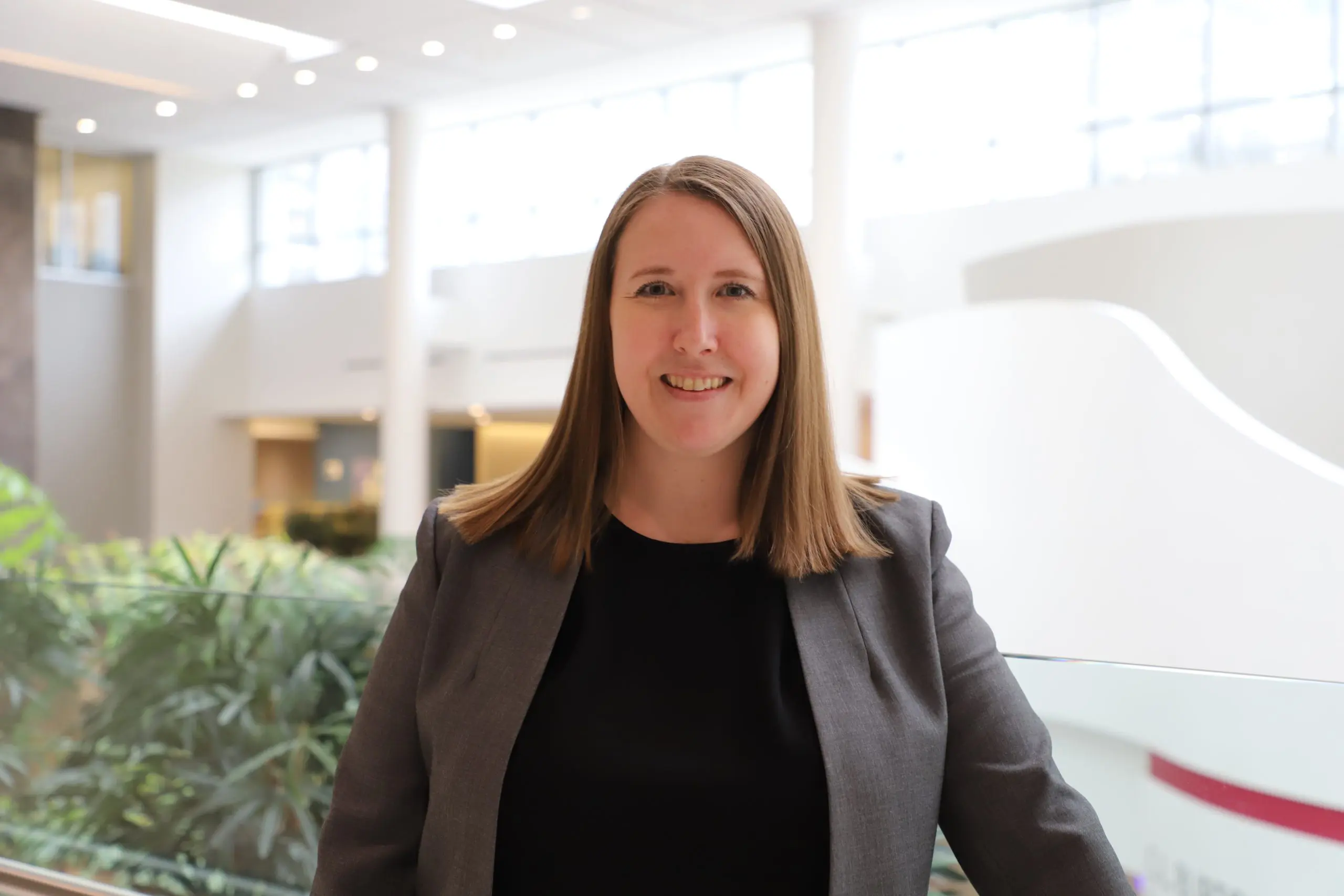
Clinical and Health Psychologist, Toronto Academic Pain Medicine Institute (TAPMI)
Associate Scientist, Women’s College Hospital
Assistant Professor, Affiliated Scientist, University of Toronto
Dr. Brittany Rosenbloom is a Clinical and Health Psychologist at the Toronto Academic Pain Medicine Institute (TAPMI) and an Associate Scientist at Women’s College Hospital and Assistant Professor, Affiliated Scientist at the University of Toronto. Clinically, she was trained across the lifespan and approaches each person with a developmental and biopsychosocial lens. Her research focuses on understanding why some individuals develop chronic pain alongside mental health conditions such as depression, anxiety, and PTSD, and on designing integrated treatments for these co-occurring concerns. Dr. Rosenbloom’s work bridges science and clinical practice, utilizing evidence-based approaches to help patients receive timely and effective care throughout their lifespan.

Lead Psychologist
Clinical Associate Professor of Anesthesiology (Clinician Educator), Keck School of Medicine of USC
Dr. Rosales oversees psychological services within the division of Pain Medicine, both inpatient and in the Pain Medicine Clinic. These services include psychological assessments, acute behavioral medicine interventions, and psychotherapy for pain management. She is the Associate Director of the Pain Rehabilitation Program, an inpatient functional rehabilitation program where she is responsible for directing clinical strategies and developing innovative and evidence-based practices.
Dr. Rosales’ research interests focus on investigating and addressing pediatric health disparities, including the impact of social determinants and adverse childhood experiences. She employs a community-centered approach that acknowledges the unique expertise of patients, their families, and the communities they belong to. She fosters collaborative efforts between clinical and community settings to develop relevant and sustainable interventions.