A Guide to Using Visualization/Imagery Techniques to Improve Physical Function (Part One)
Today, I am sharing some information regarding visualization/imagery techniques that can be highly effective for achieving a relaxation response and improving physical function.
I typically introduce these techniques after establishing a foundation in body awareness through methods like Progressive Relaxation, Body Scanning, Autogenic Technique, or Open Focus. (Please refer to my previous five-part series of blogs entitled “How Biofeedback Can Help Young Patients with Chronic Pain” for further information regarding these techniques. Links to those blogs are provided at the end of this story.)
Once a state of relaxation is achieved, visualization can extend that state or help an individual mentally practice returning to activities they enjoy, such as sports or social activities.
Uses of Visualization/Imagery Techniques
- Visualization is an easy and pleasant way to further one’s ability to maintain a relaxation response. For example, when a relaxation response has been achieved, visualizing oneself at the beach and listening to ocean waves can further enhance the experience. Once the individual has learned to achieve a relaxation response, they can use visualization/imagery to attain a relaxation response independently of the other techniques. For kids who have difficulty focusing on their bodies, visualization is another option to teach a child how to relax.
- Visualization/imagery can be used to help restore function, and is also used by athletes to improve sports performance. For example, an individual with CRPS of the foot may imagine themselves strolling on the beach, hiking in the hills, walking at the mall, or running down the soccer field to score a goal. The emphasis of the imagery should be on the intended function—an activity that brings them joy and that they want to get back to doing.
- Visualization/imagery techniques can also be used to desensitize oneself to a certain stressful situation. For example, I once utilized this technique with an actress who would perspire excessively before an audition. We worked on her ability to maintain a relaxation response as she visualized getting ready to go to the audition, driving to the audition, arriving at the parking lot, entering the building, etc. She learned to assimilate the techniques into her situation and was able to audition successfully. This type of visualization can be used with children experiencing pain as they prepare to return to school, social situations, or any situation that they find difficult to resume because of their pain.
Visualization/Imagery Techniques
There are a number of different visualization/imagery techniques. Basically, one can imagine anything that will enhance the relaxation response or promote function. Below is a specific visualization script I often use with clients with CRPS who enjoy the beach. It incorporates sight, sound, smell, and touch to promote a deep sense of calm.
When reading this, pause between sentences to allow the individual time to experience the suggestion.
Ocean Imagery
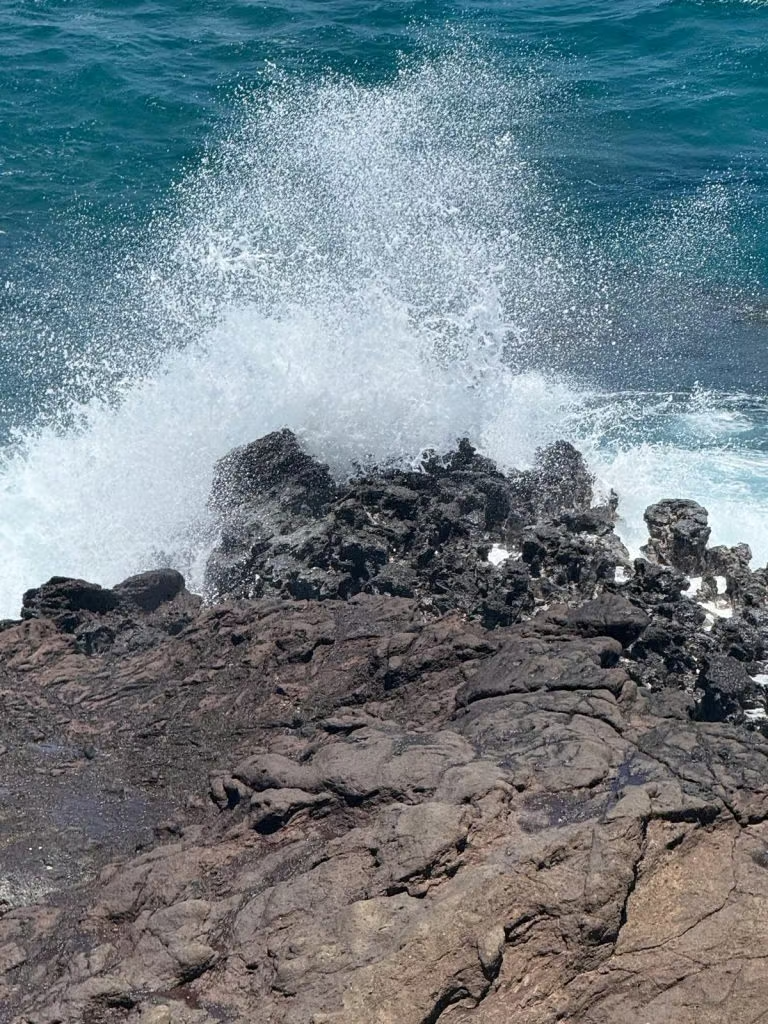
- Begin by taking in a deep breath. Feel the tension build in your chest walls. Now exhale and let that tension go. Take another deep breath and then exhale, releasing the breath within you. Focus on your breathing, allowing your breath to flow in and out of your belly, slow and easy.
- Now imagine yourself standing on the beach facing the ocean, breathing in the salty air, feeling a cool gentle breeze across your forehead. Feel the warm sunshine on your back and hands. Listen to the ocean waves crash on the beach.
- Allow your mind to be still and let go of any outside thoughts. Feel the warm sand on your feet and feel the sand squish between your toes as you walk toward the ocean.
- As you get closer to the waves, notice the moisture of the sand beneath your feet. Allow the waves to gently swirl around your ankles pulling the sand from beneath your feet, gently massaging them.
- Listen to the ocean waves as they crash around you. Allow each wave to slowly move through you. Allow yourself to become one with the ocean. Allow any worries, tensions, or problems to be washed away in successive waves of joy.
- Now imagine that each wave that passes through you increases the amount of joy that you now have, until you feel that you have become all joy.
- Whenever you are ready, you may return to the present moment, filled with a sense of relaxation and joy. (Note: Allow time before ending the technique.)
Here are links to my previous series on biofeedback and chronic pain, which reference Progressive Relaxation, Body Scanning, Autogenic Technique, and Open Focus Technique:
Re: Progressive Relaxation:
Re: Body Scanning:
Re: Autogenic Technique:
Re: Open Focus Technique:


I enjoyed the imagery!