The Lymphatic System: Hidden Rivers of the Body
Our body has many fluid pathways that flow to and from the body’s midline. We have arteries bringing oxygen to our tissues, and veins transporting carbon dioxide away. Fluid pathways are vital to life. The most famous of such pathways is the heart, whose role in pumping oxygenated blood throughout the body is so vital that we have training for non-medical professionals on restoring its function through CPR.
But today’s discussion is about the body’s “hidden rivers” and the very different, clear fluid that flows through the lymphatic system. Scientific advancements in imaging technology have helped shed light on the mechanics of osteopathic manipulation and the critical role of the lymph system.
The lymphatic system is a pathway embedded within our anatomy. It is responsible for cleaning up metabolic waste, proteins, damaged tissue, foreign bodies, toxins, and other debris, and transporting incredible cells that recognize and fight infection. When you feel a swollen or tender lymph node in the neck, that is a part of the lymphatic system.
During proper sleep wave activity, the lymphatic system cleans our body and removes toxins efficiently. Symptoms of brain fog, fatigue or pain, and low energy can be due to the ineffective physiology of one’s neurolymphatic system. As we study the anatomy of the lymphatics, we begin to understand how lymphatic flow may be impeded and how stress influences lymphatic physiology. Activation of our sympathetic “fight or flight” nervous system inhibits optimal expression of lymphatic physiology.
Where blood is pumped by our heart, lymphatic fluid is primarily circulated through the body by our musculature as we walk, diaphragmatically breathe, and otherwise contract smooth muscles as part of our own movement and propulsion.
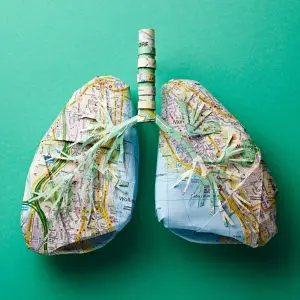
In the gross anatomy lab, it is difficult to appreciate the lymphatic system visually. The lymphatic pathways are undetectable in most places as we dissect different body layers – the fascia, musculature, and connective tissues. Without a good picture, the lymph system has been chronically underappreciated.
Until recently, the lymph system was believed to exist only from the neck down. More recent innovations in imaging technology have allowed us to see that the lymph system extends into the head, underscoring its critical role in supporting the central nervous system, brain functioning, and communication between the brain and body, arguably the body’s most vital functions. There are over 100 lymphatic pathways in the neck and throat alone, and it’s no wonder why. The neck/throat connects the body to the head, a bridge connected as much by the lymph system as by blood vessels, veins, and skin.
New discoveries have identified a lymphatic system in the central nervous system (brain and spinal cord) called ” Lymphatics.” These flowing rivers in the brain eliminate waste and transport several important molecular compounds.
Cranial Osteopathy is a technique in Osteopathic Manipulative Medicine that assesses the motion of the cranial bones. Osteopathic physicians palpate the ebb and flow of the cranial bones moving in a flexion and extension pattern. This amplifying motion is critical to the biomechanical function that facilitates lymphatic drainage of the head, eliminating waste and toxins. Every osteopath knows the value of having good head motion and its expression of health in the body. Patients with more complex cases have minimal head motion compared to those with healthy metabolic and active lifestyles.
Restoring and preserving fluid shifts to optimal flow in the lymphatic rivers is a key approach in osteopathic manipulative treatment. Calming our sympathetic nervous system to optimize our sleep quality—and ultimately glymphatic function—allows the flow of waste material and molecules.
The founder of osteopathic medicine, Dr. A.T. Still, stated, “We lay much stress on the uses of blood and the powers of the nerves, but have we any evidence that they are of more vital importance than the lymphatics?… The lymphatic system is complete and universal in the whole body.”


Thank you for your kind explaining of Lymphatic system