Supporting a Child Living With Chronic Pain: Gentle Practices for a More Peaceful Summer
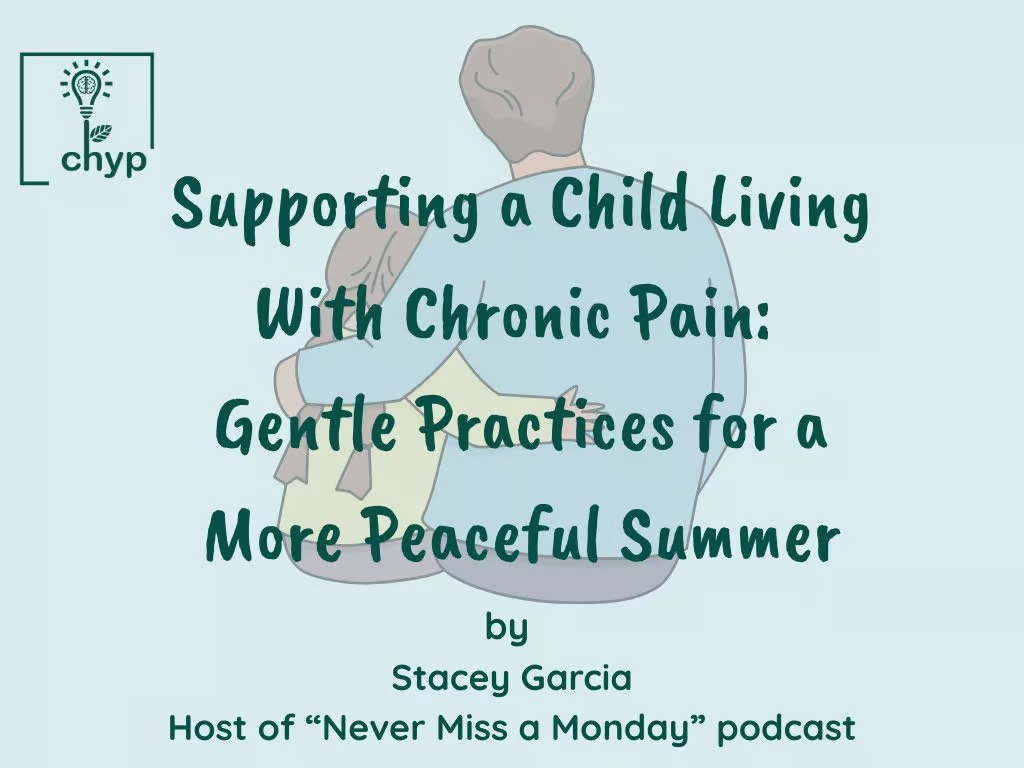
As parents, there is nothing harder than watching our children suffer—especially when the pain is ongoing, invisible, or difficult to “fix.”
When a child lives with chronic pain, summer can bring mixed emotions. On one hand, there is relief from school schedules, homework stress, and early mornings. On the other hand, summer can create pressure to “make memories,” stay active, travel, socialize, and keep up with the energy of the season—all while your child may still be struggling physically and emotionally beneath the surface.
If you are parenting a child living with chronic pain, I want you to know something first:
- You are not failing.
- Your child is not broken.
Chronic pain affects the entire nervous system—emotionally, physically, mentally, and energetically. While every child’s experience is unique, one of the most powerful things we can do during the summer months is to create an environment that supports regulation, safety, connection, and gentle healing.
Summer does not have to be about doing more. Sometimes healing begins when we finally slow down enough to listen.
Here are a few supportive practices that can help reduce stress, calm the nervous system, and create more ease for both you and your child this summer.
1. Focus on Nervous System Regulation First
A blueprint is your child’s natural way of moving through When a child lives in chronic pain, the nervous system can become stuck in a constant state of stress and hypervigilance. Over time, the body begins anticipating pain, which can intensify symptoms and emotional overwhelm.
One of the greatest gifts we can offer our children is helping their bodies feel safe again.
This does not mean pretending the pain is “all in their head.” The pain is real. But calming the nervous system can help lower inflammation, reduce stress hormones, improve sleep, and create moments of relief.
Simple ways to support regulation:
- gentle breathing exercises together
- quiet time without screens
- soft music or guided meditations
- time in nature
- warm baths with Epsom salt
- rest without guilt
Even five minutes of intentional calm can help shift the body out of survival mode.
2. Release the Pressure to Have a “Perfect Summer”
This is a big one.
Many parents feel pressure to fill summer with camps, activities, vacations, and nonstop fun. But for a child living with chronic pain, overstimulation and over-scheduling can increase exhaustion, stress, and flare-ups.
Give yourself permission to redefine what a successful summer looks like.
Maybe success this summer is:
- more peace
- better sleep
- less stress
- more emotional connection
- a few joyful moments each week
Healing often happens in the quieter moments—not the busiest ones.
Children do not need perfection. They need presence.
3. Prioritize Gentle Movement Over Intense Exercise
Movement can be incredibly supportive for chronic pain, but the key is learning to work with the body instead of against it.
During the summer months, focus on movement that feels nourishing rather than punishing.
Depending on your child’s condition and physician guidance, this may include:
- swimming
- stretching
- walking
- gentle yoga
- Pilates
- dance
- light strength work
- mobility exercises
Movement helps circulation, supports mood, releases tension, and builds confidence.
The goal is not pushing harder—the goal is helping the child reconnect with their body safely and lovingly.
4. Spend Time Outside—Even Briefly
Nature has a powerful effect on the nervous system.
Fresh air, sunlight, grounding, and time away from overstimulation can help regulate stress and improve emotional wellbeing.
This does not need to be complicated. Even small moments matter:
- sitting outside with bare feet in the grass
- a short evening walk
- reading outside
- listening to birds
- watching a sunset together
Summer reminds us that healing is not always found in doing more. Sometimes it’s found in simply being.
5. Create Small Daily Rituals
Children living with chronic pain often feel like so much of life is unpredictable. Gentle routines and rituals can help create emotional safety and stability.
Simple summer rituals might include:
- morning stretches together
- a calming nighttime routine
- journaling
- gratitude practices
- oracle cards or affirmations
- herbal tea before bed
- family walks after dinner
Rituals communicate:
- “We are in this together.”
- “You are safe.”
- “You are supported.”
6. Support Emotional Expression
Many children living with chronic pain quietly carry emotional stress, frustration, sadness, fear, or isolation.
Make space for feelings without trying to immediately “fix” them. Sometimes what children need most is:
- to feel heard
- to feel believed
- to feel emotionally safe
Encourage expression through:
- art
- music
- journaling
- conversation
- movement
- therapy or support groups if needed
Pain is never just physical. The body and emotions are deeply connected.
7. Remember to Care for Yourself Too
Parents often become so focused on helping their child that they forget their own nervous system matters too.
But children feel our energy.
When we are depleted, overwhelmed, anxious, or emotionally exhausted, it impacts the environment around them.
This summer, ask yourself:
- What helps me feel regulated?
- What support do I need?
- How can I refill my own cup?
You deserve care too.
And sometimes the most healing thing a child can witness is a parent learning to slow down, breathe, and care for themselves with compassion.
Final Thoughts
OIf your child is living with chronic pain, please know this: Healing is rarely linear.
- Some days will feel hopeful.
- Some days will feel exhausting.
But small supportive practices done consistently can create meaningful shifts over time.
This summer, try to focus less on “fixing” and more on creating safety, softness, connection, and moments of joy.
There is still beauty available—even in hard seasons.
And sometimes the greatest healing begins not when we force the body forward, but when we finally allow ourselves to slow down enough to listen to what it truly needs.